field report
A Rain Week on the Route: Recovering Four Lost Mowing Days
Four days of rain turns a five day route into a backlog of tall, wet grass. This is how crews sequence the catch up, protect saturated turf, and tell customers what is actually going to happen.
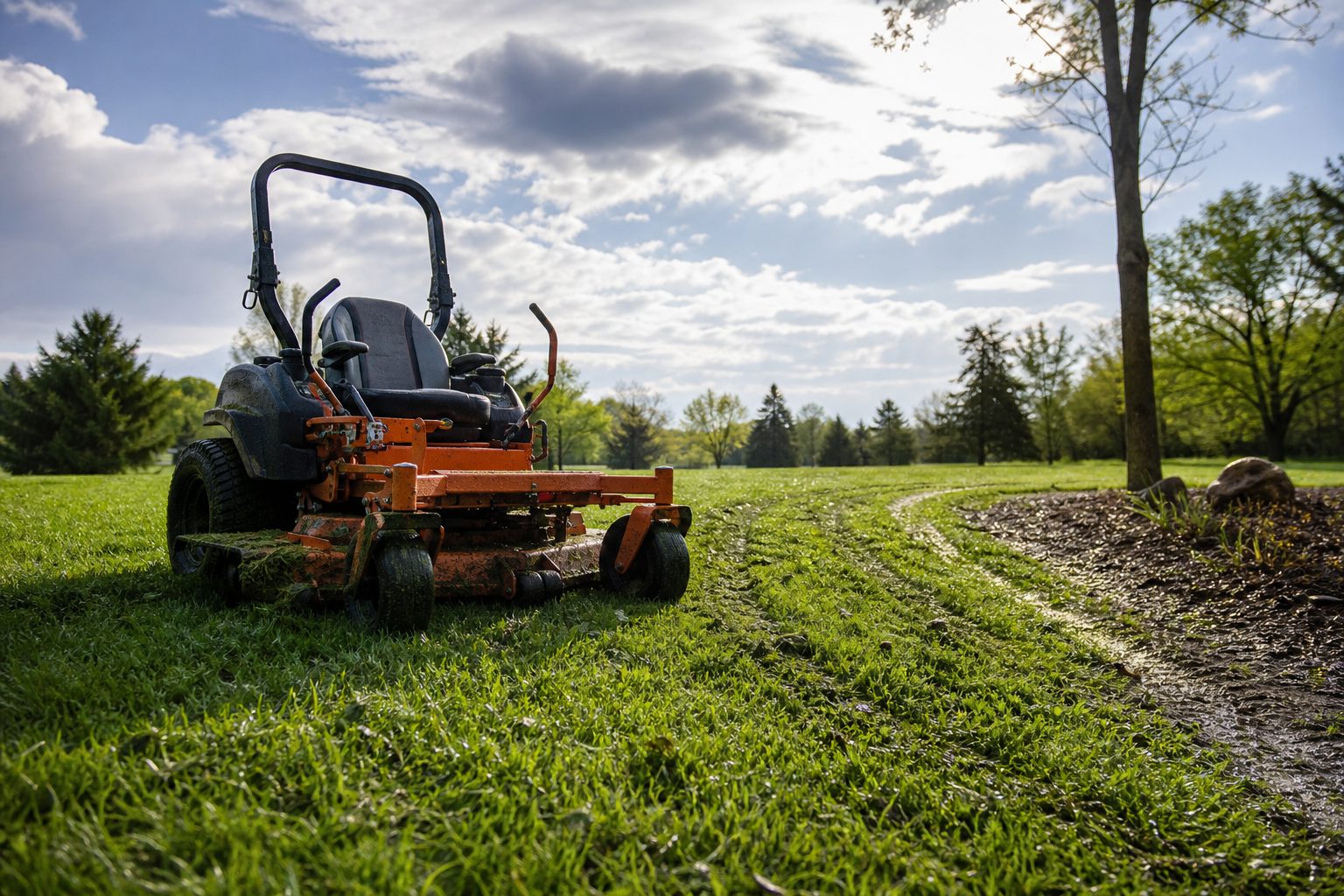
Reading the Radar and Deciding Before the Crew Loads the Trailer
Every lawn care operator knows the morning routine on a rain-threatened week. The crew lead checks the forecast before daylight, looking for an opening to get some mowing done. Radar apps and weather alerts become the first tools of the day. The decision is not only about whether the rain will stop by noon but also about how saturated the ground will be when the clouds clear.
Some operators call the day at 6 a.m., letting crews and customers know the route is postponed. Others might roll the dice, sending a truck out in hopes of catching a dry window. The risk: starting the route only to get caught in another downpour, burning fuel and labor with little to show for it. When four days of rain hit in a row, the pressure is on to make the right call before that trailer leaves the yard.
Communication with the crew is critical. A false start wastes everyone's time. Most shops develop a system for real-time updates, whether by group text, a scheduling app, or a dispatcher's call. The goal is to keep the team ready but not idle, and to avoid sending equipment onto lawns that have no chance of drying.
Keep reading: Spring Startup Checklist Before the First Cut of the Season
What Four Days of Growth Does to Cutting Height and Clumping
After four days of rain, grass grows fast. Even properties on a weekly schedule can look like they missed two cycles. The turf is leggy, wet, and often uneven. That means the usual cutting height can scalp patches or leave behind thick clumps that smother the grass below.
Most crews adjust the mower deck up a notch on the first pass. This avoids ripping out chunks of sod and helps the machine handle the taller, wetter blades. Sometimes, a two-pass approach is needed: a higher first cut, then a second pass at the normal height once things dry out. Cutting all the way down in one shot can clog decks and leave windrows that customers hate.
Clumping is almost unavoidable. Wet clippings are heavy and sticky, and side discharge turns into piles that need to be raked or mulched in. Bagging is rarely an option on a soaked lawn, since the collection system fills in minutes and becomes impossible to empty without spreading a mess. Crews have to accept that the job will take longer and may not look perfect on the first visit after rain.
Saturated Turf: Ruts, Scalping, and the Properties You Skip
Operating on saturated turf is a risk every operator weighs after a rain week. The heaviest machines can leave ruts, tear up soft spots, and compact the soil. Even walk-behind mowers can do damage if the ground squishes underfoot. That leads to tough calls about which properties get serviced right away and which ones have to wait.
Spot Checks and Trouble Areas
Before unloading any equipment, crew leads often walk the property, especially in low-lying or shaded yards. If the mower tracks water or the shoe sinks, it is usually best to move on. Some operators keep a list of chronic problem lawns where water pools or clay soil stays soaked. These might get skipped until the next cycle, even if it means calling the customer with bad news.
Alternative Work
When mowing is not possible, crews may shift to string trimming, edging, or even landscape bed maintenance. It does not make up for lost mowing revenue, but it keeps the team productive and avoids ruts that would create more work later. Some operators use this time to sharpen blades, clean equipment, or catch up on deferred repairs.
Customer expectations must be managed when skipping a property. A muddy lawn is better than a rutted one, and most clients will understand if they know the reason. Operators who explain the risk of scalping, rutting, and root damage avoid many headaches later in the season.
Keep reading: How Blower Bans, Labor Caps, and Watering Rules Change Mowing Work
Double Cutting, Slower Ground Speed, and Side Discharge
Once the rain breaks, every operator faces a backlog. The temptation is to move fast and make up ground, but wet, tall grass needs a slower approach. Mowing at normal speed in these conditions leads to missed strips and uneven results.
Double Cutting
Double cutting is almost always required after a rain week. The first pass, done with the deck raised, knocks down the bulk of the growth. The second pass, usually at a lower setting and often at a different angle, helps mulch clippings and deliver a cleaner finish. This process can double the time spent on each property but is often the only way to avoid leaving haystacks across the lawn.
Slower Ground Speed
Crews have to throttle back. Wet grass does not stand up to the blades the way dry grass does, and hurrying only leads to missed spots and more clumping. This slower pace is frustrating, especially when the schedule is tight, but it is necessary for a presentable result.
Side Discharge Strategies
Bagging is rarely practical after heavy rain. Side discharge is the default, though it requires care to avoid windrowing. Some crews carry mulching kits and switch out baffles to help break up clippings, but even the best setup struggles with really heavy, wet growth. Raking and blowing may be needed in the worst cases, adding more labor to an already long day.
Resequencing the Week: Saturdays, Longer Days, or a Dropped Cycle
With four days lost, the question becomes how to make up the work. Every operator has a different approach, shaped by crew size, customer mix, and the promises made in service agreements.
Saturday Work and Extended Hours
The most common fix is to work Saturday, sometimes Sunday, and extend weekday shifts. Crews may run from dawn to dusk for several days in a row. This catches up on most accounts but runs the risk of tiring out staff and increasing mistakes. Overtime pay can add strain to the week's margins, and trucks may need extra maintenance after longer than usual runs.
Dropped Cycle
Some operators, especially those with less flexible schedules, may drop a cycle for lower-priority customers. This usually means skipping one visit for biweekly or less profitable accounts and focusing on weekly, full-service clients. Dropping a cycle is never popular but can be the only option when manpower or daylight runs short.
Resequencing and Route Adjustments
Many shops use scheduling tools to resequence routes based on proximity and site conditions. Properties that dry out fastest go first; shaded or low-lying sites go at the end of the week. This keeps crews productive and avoids wasted trips. Some operators batch similar property types together to minimize downtime from equipment swaps.
Good communication between dispatch and crews is critical when making these changes. Everyone needs to know the new order, the properties to skip, and any special instructions for double cutting or cleanup. Mistakes in resequencing can lead to missed lawns and unhappy customers.
See how MowSeason handles this for landscaping and lawn care
The Message Customers Need Before They Pick Up the Phone
When rain throws off the schedule, customers notice. Some call as soon as the rain stops, expecting to see the crew that day. Others worry their property has been forgotten, especially if the neighbor's lawn gets serviced first. Clear communication is the only way to keep calls and complaints manageable.
Most operators send a mass text, email, or app notification explaining the rain delay and the revised schedule. The message should be honest about the backlog, set expectations for appearance, and explain any special steps being taken, like double cutting or delayed service for saturated lawns. Promising a specific date helps, even if it means pushing some properties to the following week.
For properties that must be skipped due to waterlogged soil, a personal phone call goes a long way. Customers appreciate a quick explanation of the risk to their lawn and a commitment to reschedule as soon as conditions allow. A few minutes on the phone can head off complaints and cancellations later.
Some shops update their website or social media with a general rain week message. This catches clients who may not check their inbox and reinforces that the situation is widespread, not a one-off mistake. A little transparency protects the company's reputation and reduces the stress on office staff handling calls.
Blade Wear, Deck Cleanout, and the Real Cost of a Wet Week
Rain delays do not just cost time; they add to maintenance headaches and equipment wear. Cutting wet, tall grass is tough on blades and mower decks. The real cost of a wet week shows up in the shop as well as on the schedule.
Blade Dulling and Sharpening
Wet grass dulls blades faster. The clippings stick to the metal, and the extra force needed to push through heavy growth knocks the edge off quickly. After a rain week, many operators find themselves sharpening or swapping blades daily. Running dull blades leads to ragged cuts, which stress the turf and leave lawns looking worse for wear.
Some shops keep extra sets of blades ready and rotate them through the week. Others have a dedicated sharpener or assign a crew member to handle blades each evening. Either way, the labor and materials add up, eating into already thin margins after a rain delay.
Deck Cleanout and Clogging
Wet clippings clog mower decks, especially during double cutting. Operators can spend twenty minutes or more per mower scraping out packed grass, often multiple times a day. Some crews use non-stick sprays or homemade coatings, but nothing fully prevents buildup in soaked conditions. The extra downtime means fewer properties serviced per day and more frustration for the team.
Equipment Wear and Repairs
The heavy load on belts, spindles, and engines during rain recovery weeks leads to more frequent breakdowns. Bearings get packed with wet debris, and belts can slip or stretch. The transport of heavier, wetter clippings also strains bagging systems and blowers. Shops that push too hard may end up with more machines in for repair just when they are needed most.
The true cost of a rain week includes overtime, maintenance labor, fuel, and extra equipment wear. Careful operators track these costs and adjust their service agreements or pricing if wet weather becomes a seasonal pattern.
Professional route management, clear customer communication, and flexible scheduling tools have become essential to recovering from major rain delays. Many shops now use software that combines recurring visit planning with weather-based route adjustments, so that crews know exactly where to go as soon as conditions allow. These systems reduce stress, cut down on mistakes, and help owners keep both crews and customers satisfied when the weather throws the route into chaos.
Read also
Three more reports from The Cut List on the same working season.
Spring Startup Checklist Before the First Cut of the Season
Blades, decks, trailer lights, insurance certificates and confirmed start dates all have to be ready in the same week. This is the pre season checklist in the order a small operation should work through it.
How Blower Bans, Labor Caps, and Watering Rules Change Mowing Work
Three pressures are rewriting the season: municipal gas equipment ordinances, a fixed federal cap on seasonal visas, and drought rules that shrink irrigated turf. Here is what each one changes on the schedule.
How to Price a Season Long Mowing and Cleanup Package
A season package is a visit count, a mowing height policy, a mulch allowance and a cleanup window, priced off crew hour cost. Here is how to build one a homeowner can compare and sign in a single visit.