practical guide
How to Price a Season Long Mowing and Cleanup Package
A season package is a visit count, a mowing height policy, a mulch allowance and a cleanup window, priced off crew hour cost. Here is how to build one a homeowner can compare and sign in a single visit.
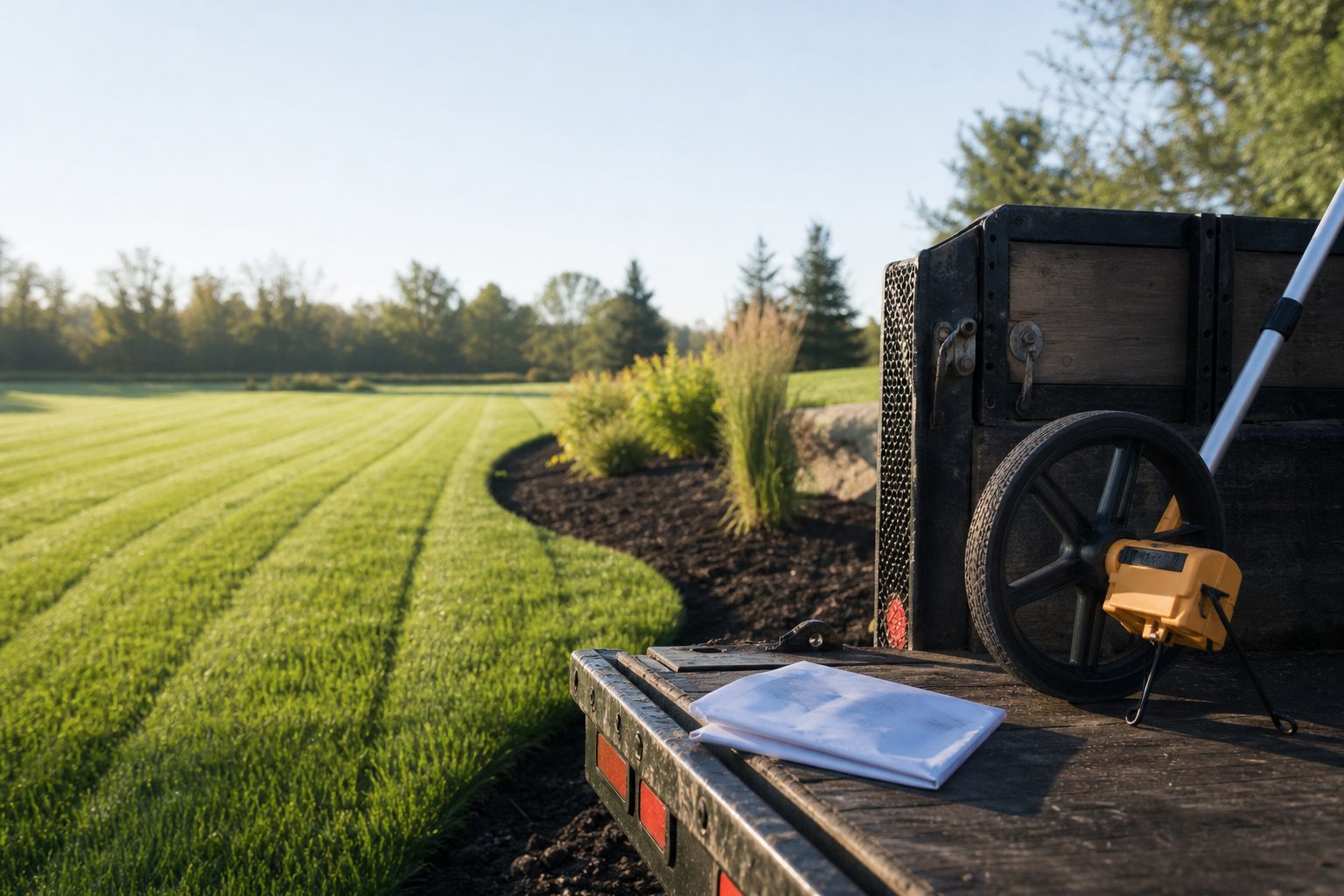
Decide the Season Length Before You Decide the Price
A service package starts with the calendar. Most homeowners do not think in terms of growing degree days or first and last frost, but you need to. The season for mowing and cleanup is not the same in every state, or even every county. For the cool-season turf found in much of the Midwest and Northeast, mowing usually starts in early spring and can run well into October. Warm-season regions may start later but run longer, sometimes into November.
Before you quote a price, define your start and end dates. Use your own records or local extension guidance for typical soil temperature, not just air temperature. The season must cover all the weeks when grass will grow enough to need a mow, plus time for leaf fall and cleanup. If you offer snow removal as a separate business, keep those dates clear from your lawn package.
Do not let the customer dictate the calendar. If you price based on an eight-month assumption but end up working ten, you will lose margin. If your crews are still mowing after the first hard frost, you have misjudged. Set the season start and end in writing. This becomes the ground rule for the rest of your estimate.
Keep reading: Per Cut Billing vs Equal Monthly Payments for Mowing Routes
Count the Visits Your Climate and Turf Type Actually Support
Visit count is the heart of the package. Too few, and the lawn suffers or the client complains. Too many, and your crews burn hours for no added value. Begin by mapping out the weeks between your proposed start and end dates. Not every week will need a visit.
In the spring, cool-season grasses can require a cut every week or even more often. Growth slows in midsummer, especially if irrigation is limited. In the fall, leaf drop replaces mowing as the main task, but many weeks still demand both. Warm-season grasses may have a steadier pattern but can go dormant if drought sets in.
Adjust for Local Patterns
You know your own weather and soil. In some regions, a twelve-visit package makes sense. Others need twenty-four or more. Check your past seasons. Track which weeks were skipped due to rain, drought, or holidays. Use this log to set a realistic baseline.
Account for Turf Type
Grass species matter. Fine fescue grows slower than Kentucky bluegrass. Zoysia and Bermuda have a different peak than rye. If you maintain both shaded and sunny lawns, their needs can diverge by several visits a year. Note these differences during your site visit and adjust the plan accordingly.
Once you have a draft schedule, share it with the homeowner in plain terms. Show them the number of visits, not just the total price. This transparency helps avoid later confusion.
Build the Package From Crew Hour Cost, Not From the Neighbor's Flyer
Many new operators look to nearby competitors or the big box bids for pricing cues. This is a mistake. Their costs may be lower, their equipment older, or their labor less reliable. Your package needs to reflect your real cost per crew hour on that property, with room for overhead and a fair margin.
Calculate Your Real Crew Hour Cost
Start with direct labor: how much you pay your techs, plus employment taxes and insurance. Add in the cost of fuel, equipment wear, blades, and trimmer line. Include drive time between stops. Divide your total field payroll and operating costs by the number of billable hours last season. This is your baseline crew hour cost.
If you run dedicated mow crews and separate cleanup teams, the cost per hour may vary. Use the higher number for mixed packages that include both mowing and cleanup tasks.
Build Up the Package Price
Multiply your estimated hours per visit by your crew hour cost. Multiply again by the number of visits. Add overhead: insurance, vehicle payments, software, uniforms, and time spent on admin tasks. Do not forget profit. Many shops aim for a margin that covers unexpected weather or labor churn.
When you present the package, break down the value: the number of visits, what each visit covers, and how much time your team will spend. This lets the customer see the reason for the price.
Keep reading: Eight Routing Mistakes That Add an Hour to Every Mowing Day
Measure the Property Once: Turf Area, Gates, Slopes, and Obstacles
A walk-through with a measuring wheel, site map, or app is not optional. Every property brings surprises that affect time and effort. Measure the square footage of mowable turf. Factor in the width and type of gates. Note slopes, retaining walls, and landscape beds. Trees, swing sets, and flower beds add trimming time.
Properties with small areas but lots of edging or hand work can take longer than simple rectangles. Slopes slow down mowing and increase fatigue. Narrow gates force crews to use smaller mowers, which means more passes per visit. Mulched beds along the perimeter or islands in the turf require extra care.
Document the Site
Take photos or draw a quick diagram for your files. Record anything that stands out, from hidden stumps to irrigation heads. This detail helps you explain the quote if the homeowner balks, and trains new crew leads if you rotate staff.
Once measured, you can lock in your estimated time per visit. This drives the rest of your package calculation.
Fold Spring Cleanup and Mulch Into the Same Signup
Most homeowners want a tidy yard by Memorial Day, not just a mowed lawn. Spring cleanup is the perfect upsell, and it saves time if bundled with the mowing contract. Raking, leaf removal, first cut, and bed edging can all be included. You can offer mulch installation as a fixed yardage or cubic foot allowance, or price it as an add-on.
If you wait to sell cleanup after the mowing contract, you risk schedule chaos and missed upsell. When you fold it in, you can plan labor and material in advance. Tell the client what is included: number of yards of mulch, amount of debris hauled, and time window for completion. Specify extra charges for overgrown beds or storm debris.
Bundling these services lets your crews move in a logical sequence. Spring cleanup opens the season, mowing maintains it, and fall cleanup wraps it up. The property stays managed, and you avoid the last-minute scramble.
Communicate the Value
Spell out in the contract what the cleanup and mulch cover. Show the customer how bundling saves visits and keeps the yard healthy. When neighbors see the fresh mulch and trimmed beds, it can lead to word-of-mouth jobs.
See how MowSeason handles this for landscaping and lawn care
Put the Drought Week Skip Rule in Writing
Every long-term package needs a plan for weather. In most regions, at least a few weeks each summer will see little or no turf growth. If your contract promises a fixed number of visits regardless of weather, you will end up mowing brown turf or taking a loss.
Build a clear skip policy into the package. State that visits will be skipped if grass growth does not require mowing, as judged by you or your crew lead. You can offer makeup visits later in the season, or credit the customer for missed weeks, but this needs to be spelled out up front.
Some shops offer a minimum number of visits, with extra services like weed control or aeration if mowing is not needed. Others keep it simple: if the grass is dormant, no visit, no charge. Whatever you choose, document it. This cuts disputes in dry summers.
Notify Customers Before Skips
Let the homeowner know when a skip is coming. A quick call, text, or software notification keeps them in the loop. This shows you are not just skipping to boost your margin, but managing their lawn responsibly.
Putting the drought skip rule in writing protects your margin and keeps expectations realistic.
Write the Renewal and Price Escalation Clause Now
Many lawn care businesses lose money by rolling over the same price year after year, even as costs rise. A strong package contract should include a renewal date and a clause spelling out how prices may change in future seasons.
State when and how the package will renew: automatically, with written notice, or at a sit-down meeting. Give a deadline for changes. For price adjustments, you can use a fixed percentage, tie it to inflation, or reserve the right to review costs annually. Specify that the client will be notified in writing before any increase takes effect.
If you include material costs like mulch or disposal, note that these may change if supplier prices rise. Many customers accept a fair increase if told in advance. If you leave this out, you end up eating higher payroll and gas costs, or fighting over new quotes every spring.
A clear renewal and escalation policy gives you breathing room and keeps the relationship professional. It also helps new shops avoid surprises as they grow.
Managing a season-long mowing and cleanup package is a paperwork challenge as well as a field job. A software tool that handles recurring visits, weather skips, bundled spring services, and automatic renewals can free up your time and reduce errors. Many operators use these systems to produce clear, signable proposals at the first visit. This helps both you and your customer know what to expect, and lets you focus on delivering steady, profitable service all season.
Read also
Three more reports from The Cut List on the same working season.
Per Cut Billing vs Equal Monthly Payments for Mowing Routes
Per cut invoices track the work exactly. Equal monthly billing smooths winter payroll and holds customers through slow growth weeks. This compares cash flow, disputes, collections and bookkeeping for both.
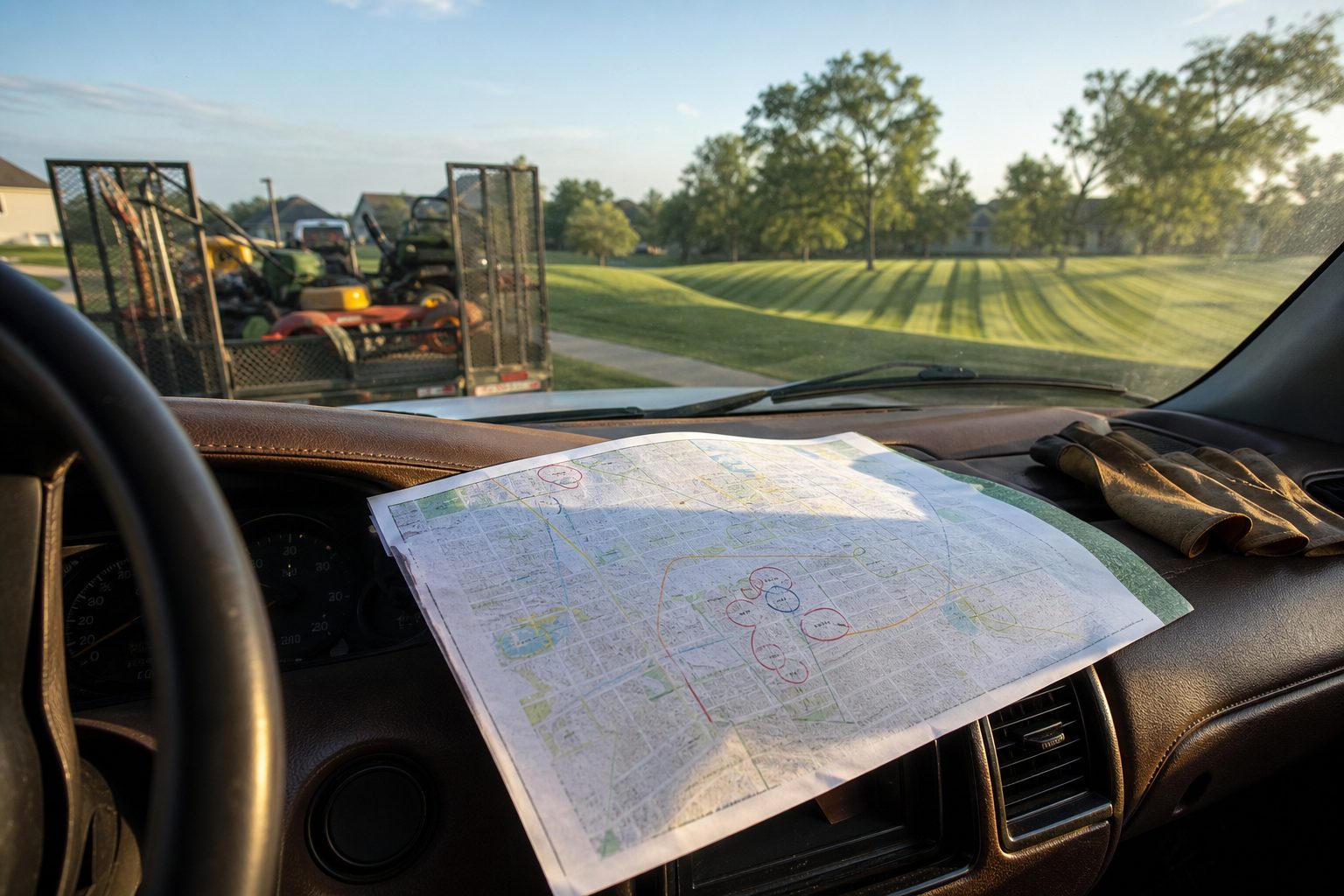
Eight Routing Mistakes That Add an Hour to Every Mowing Day
Windshield time is the cheapest hour to recover and the easiest to waste. These are the eight route and scheduling habits that quietly stretch a mowing day, with the fix for each one.

Applicator Licenses, Phosphorus Limits, and Turf Blackout Dates
Turf work sits under federal pesticide law and a stack of state fertilizer statutes. Here is what certification, product labels, posted notice, seasonal windows and record keeping actually require of a small crew.